
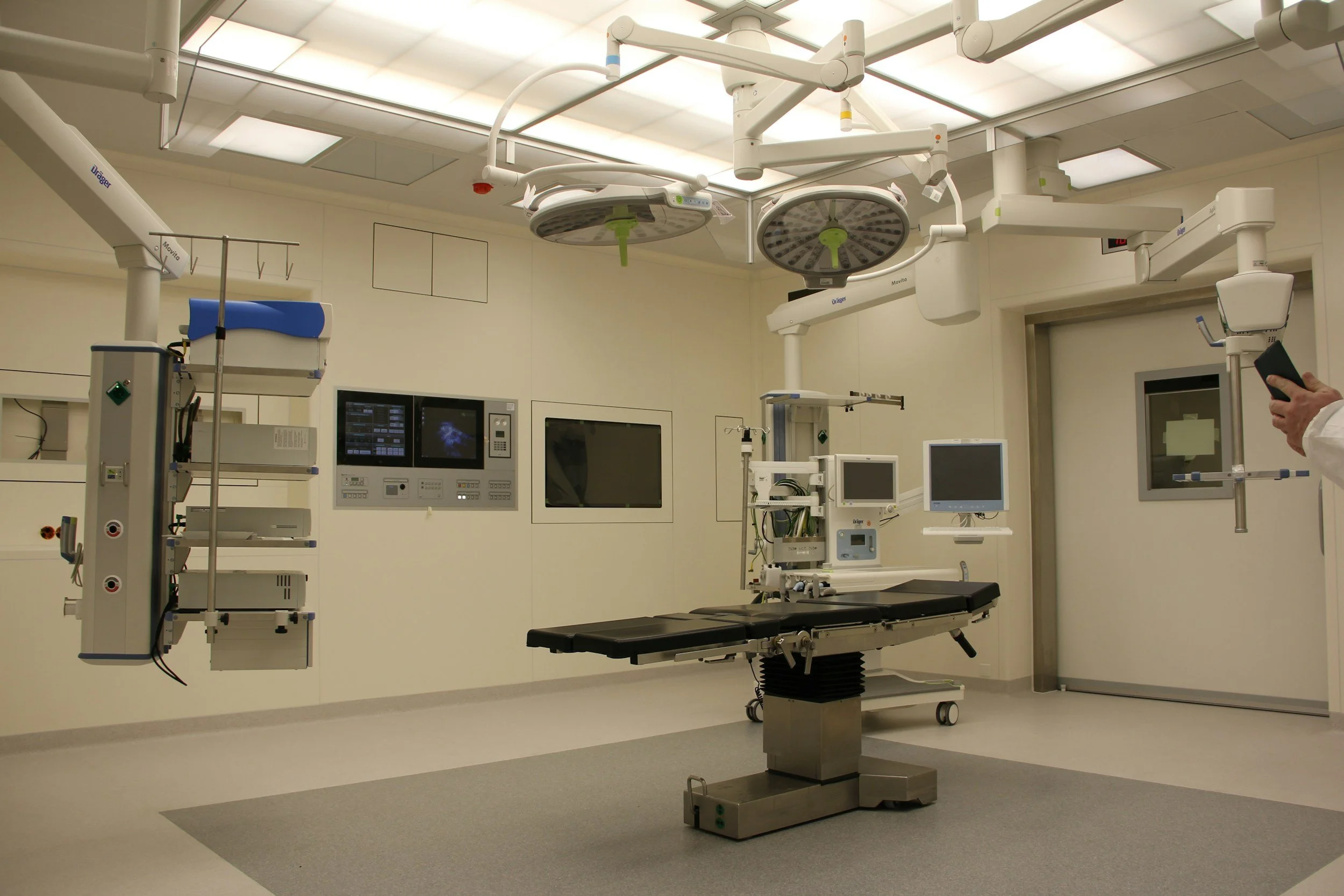
Boston Scientific’s Obsidio Embolic Posts Clean 30-Day Results in Company-Sponsored Registry
A Boston Scientific-sponsored registry of 125 patients at 19 U.S. hospitals reports complete target-vessel occlusion and no rebleeding at 30 days with the Obsidio embolic. The single-arm design, company sponsorship and short follow-up limit what the results can show about the device.

Synchron Pauses Trials of Its Next-Generation Stentrode Over a Lead Problem, Says Safety Is Not the Issue
Synchron has paused trials of its second-generation brain-computer interface after reported problems with the lead connecting its vessel-based electrodes to the implant electronics. The company says safety is not the issue. It is cutting New York jobs and plans to bring lead design and manufacturing in-house.
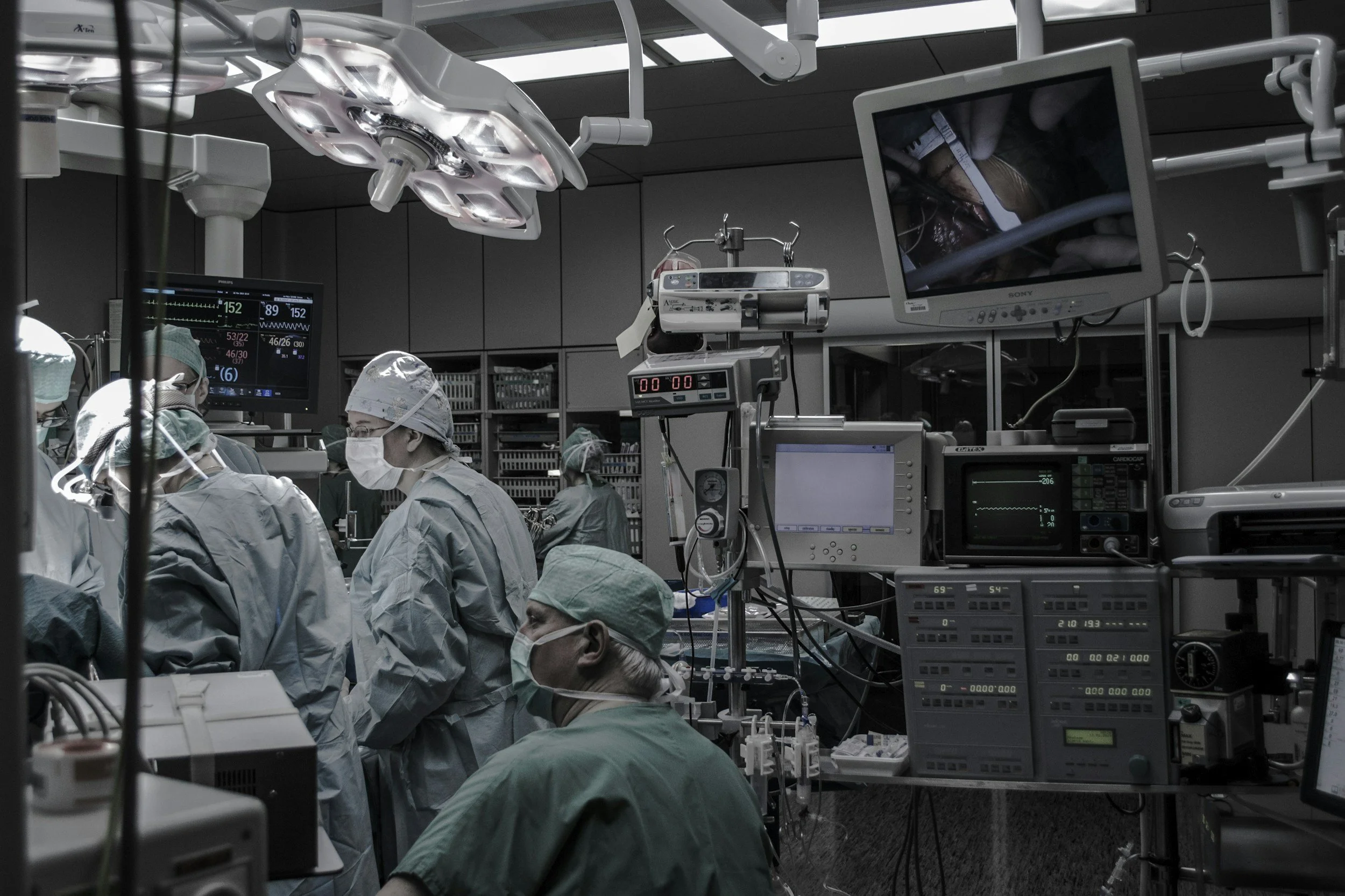
FDA Clears Insera’s CLEAR Aspiration System, Which Pulses Suction to Remove Peripheral Clots
Insera Therapeutics has FDA 510(k) clearance for a thrombectomy system that pulses suction instead of holding it steady. The clearance covers peripheral arteries and veins and rests on bench and animal testing. No clinical outcome data were submitted, and no US launch date has been announced.
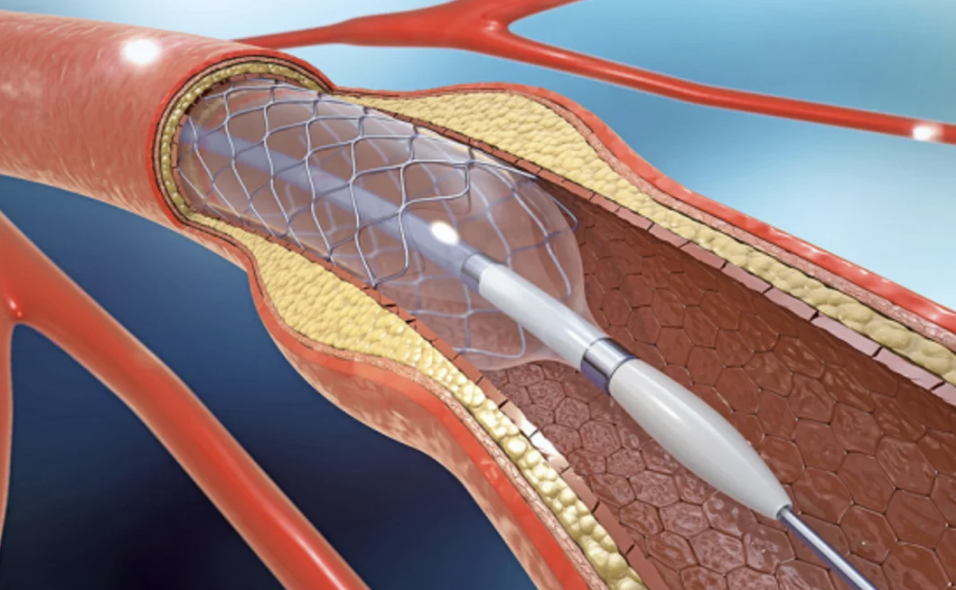
A Shunt You Can Size: BD Launches Its Adjustable Liverty TIPS Stent Graft in the U.S.
BD has started selling an adjustable-diameter TIPS stent graft in the U.S. for complications of portal hypertension. The company points to interim data from its 177-patient ARCH study, but it has not yet released outcome figures such as rebleeding or encephalopathy rates.
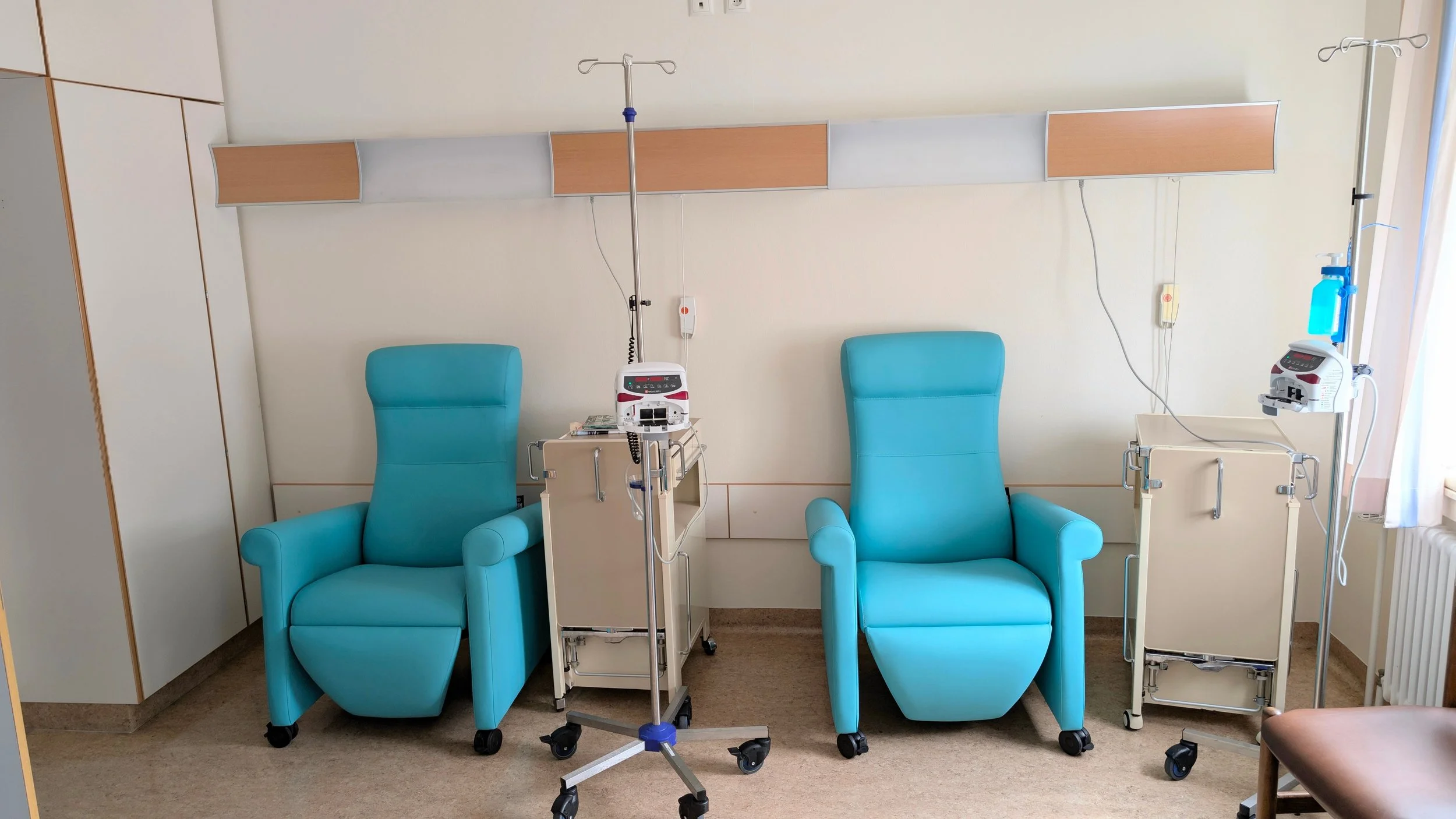
Beyond “Fistula First”: Early OASIS Trial Data Suggest Catheters Are Well Tolerated by Older Dialysis Patients
For years, doctors were told to put fistulas first for dialysis patients. Early results from a Dutch trial in older patients found catheters caused less pain and fewer physical symptoms. The trial’s main result on repeat procedures is still to come.
Freezing Instead of Cutting: FDA-Required Study of Breast Cancer Cryoablation Enrolls First U.S. Patients
Instead of removing small, low-risk breast tumors, a needle-based device freezes them in place. Its maker has started the larger U.S. study the FDA required, which will follow 400 older women for five years to see how often cancer returns.