
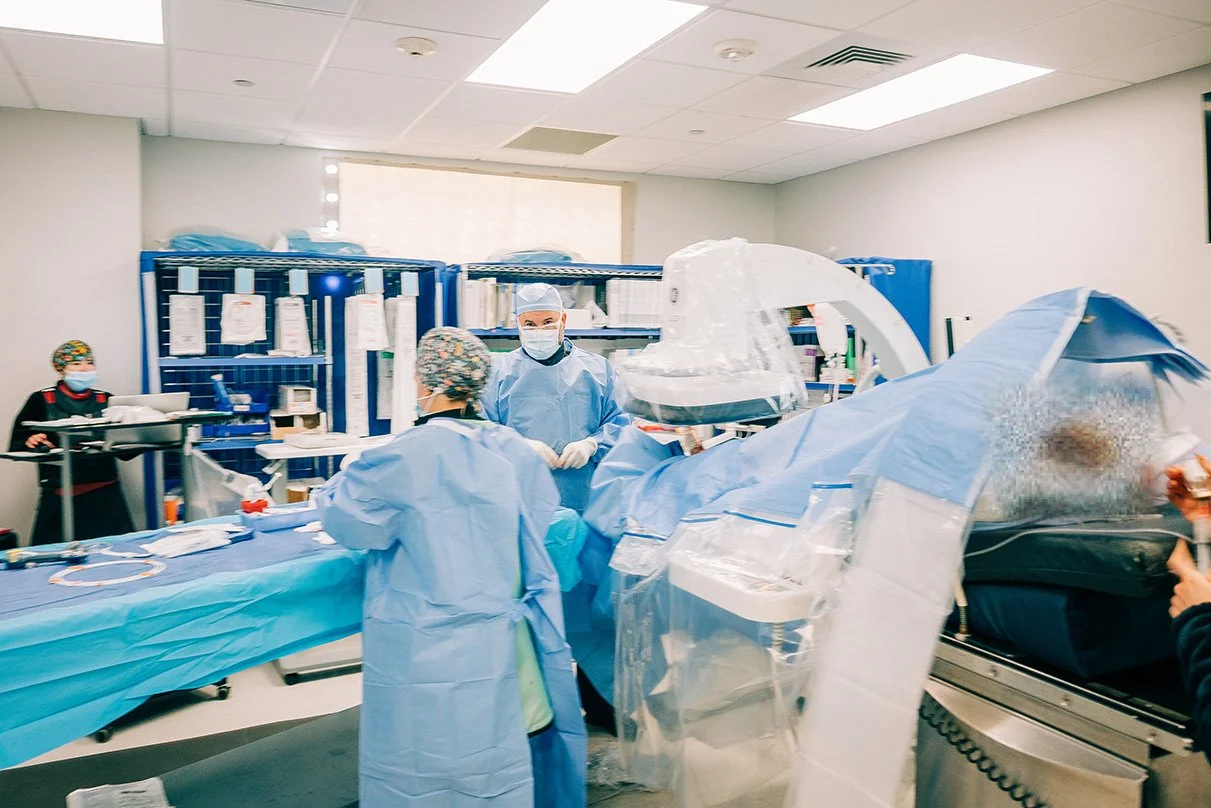
A Lab-Grown Coronary Artery Heads Into Its First Human Bypass Trial
Humacyte has opened a 10-patient first-in-human study of a bioengineered blood vessel designed as an off-the-shelf graft for coronary bypass surgery. The design was presented at the American Heart Association meeting; animal data are promising, but no human results exist yet.
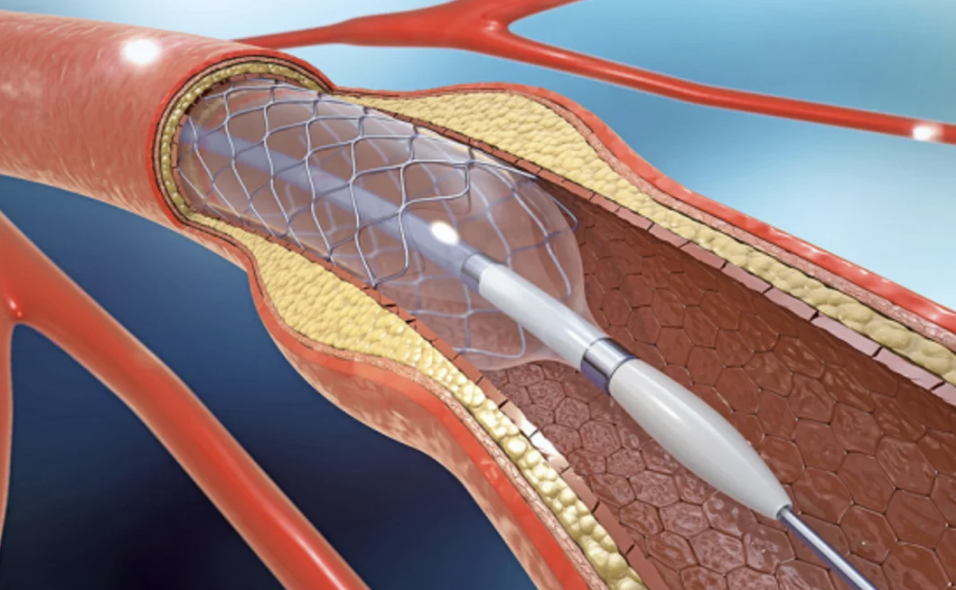
A Shunt You Can Size: BD Launches Its Adjustable Liverty TIPS Stent Graft in the U.S.
BD has started selling an adjustable-diameter TIPS stent graft in the U.S. for complications of portal hypertension. The company points to interim data from its 177-patient ARCH study, but it has not yet released outcome figures such as rebleeding or encephalopathy rates.

Beyond “Fistula First”: Early OASIS Trial Data Suggest Catheters Are Well Tolerated by Older Dialysis Patients
For years, doctors were told to put fistulas first for dialysis patients. Early results from a Dutch trial in older patients found catheters caused less pain and fewer physical symptoms. The trial’s main result on repeat procedures is still to come.

Targeting MET Resistance: Savolitinib Plus Osimertinib Extends Survival Over Chemotherapy in Phase 3 SAFFRON Trial
When EGFR-mutated lung cancer stops responding to Tagrisso, the MET pathway is often to blame. A phase 3 trial found that adding the MET inhibitor savolitinib to Tagrisso helped patients live longer than chemotherapy did, but serious side effects were more common.

FDA Approves Talzenna Plus Xtandi Earlier in Metastatic Prostate Cancer With HRR Mutations
The FDA has approved Pfizer’s Talzenna with Xtandi for men with metastatic prostate cancer that still responds to hormone therapy and carries certain DNA-repair gene mutations. The combination roughly halved the risk of progression, but it caused frequent severe anemia, and survival data are not yet mature.
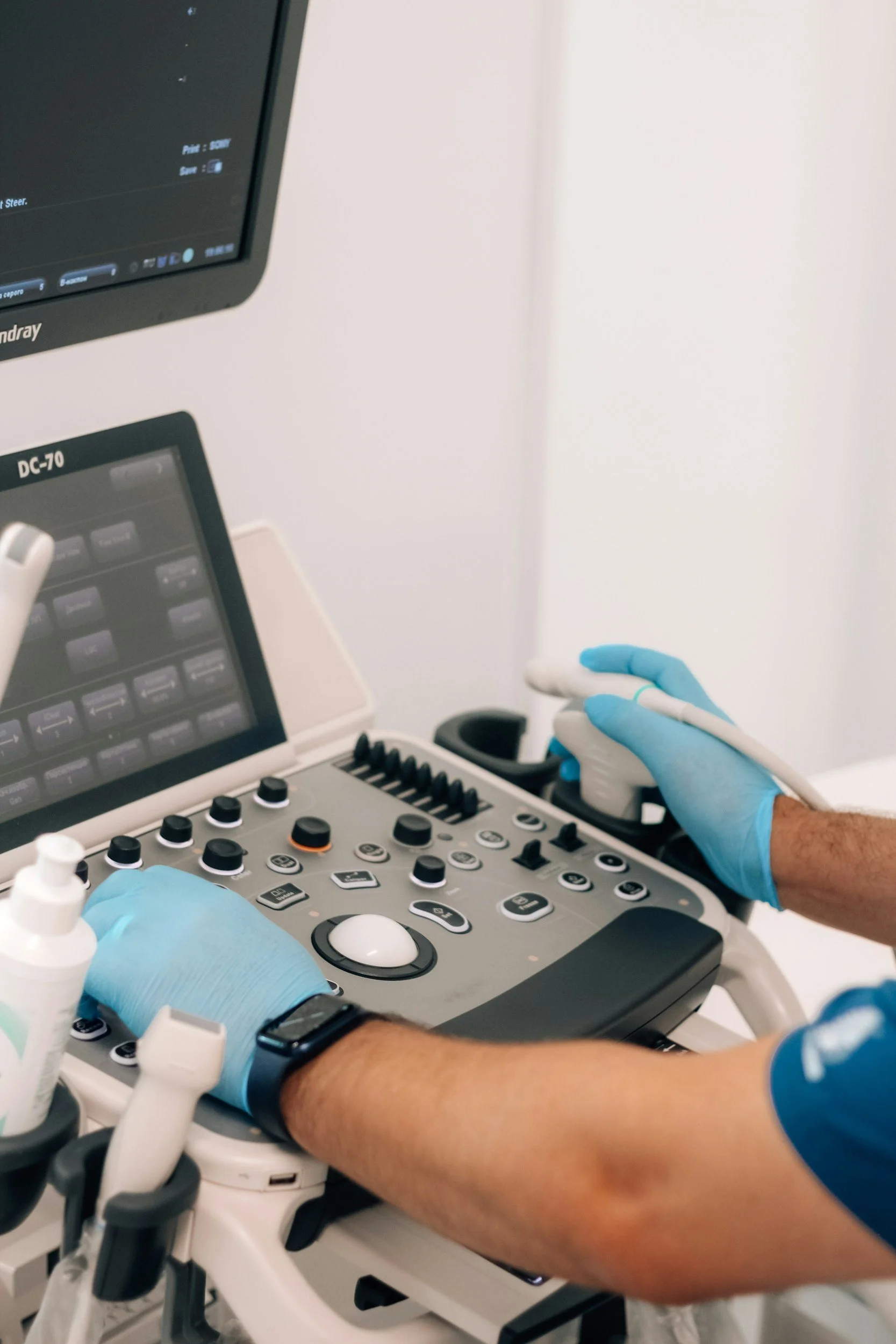
Freezing Instead of Cutting: FDA-Required Study of Breast Cancer Cryoablation Enrolls First U.S. Patients
Instead of removing small, low-risk breast tumors, a needle-based device freezes them in place. Its maker has started the larger U.S. study the FDA required, which will follow 400 older women for five years to see how often cancer returns.

Personalized mRNA Vaccine Cuts Melanoma Recurrence Risk in Phase 3 Trial
A Phase 3 trial presented at ESMO 2026 found that adding a personalized mRNA vaccine to Keytruda after melanoma surgery lowered the risk of the cancer returning. Overall survival has not yet differed significantly, and the full peer-reviewed paper is still to come.
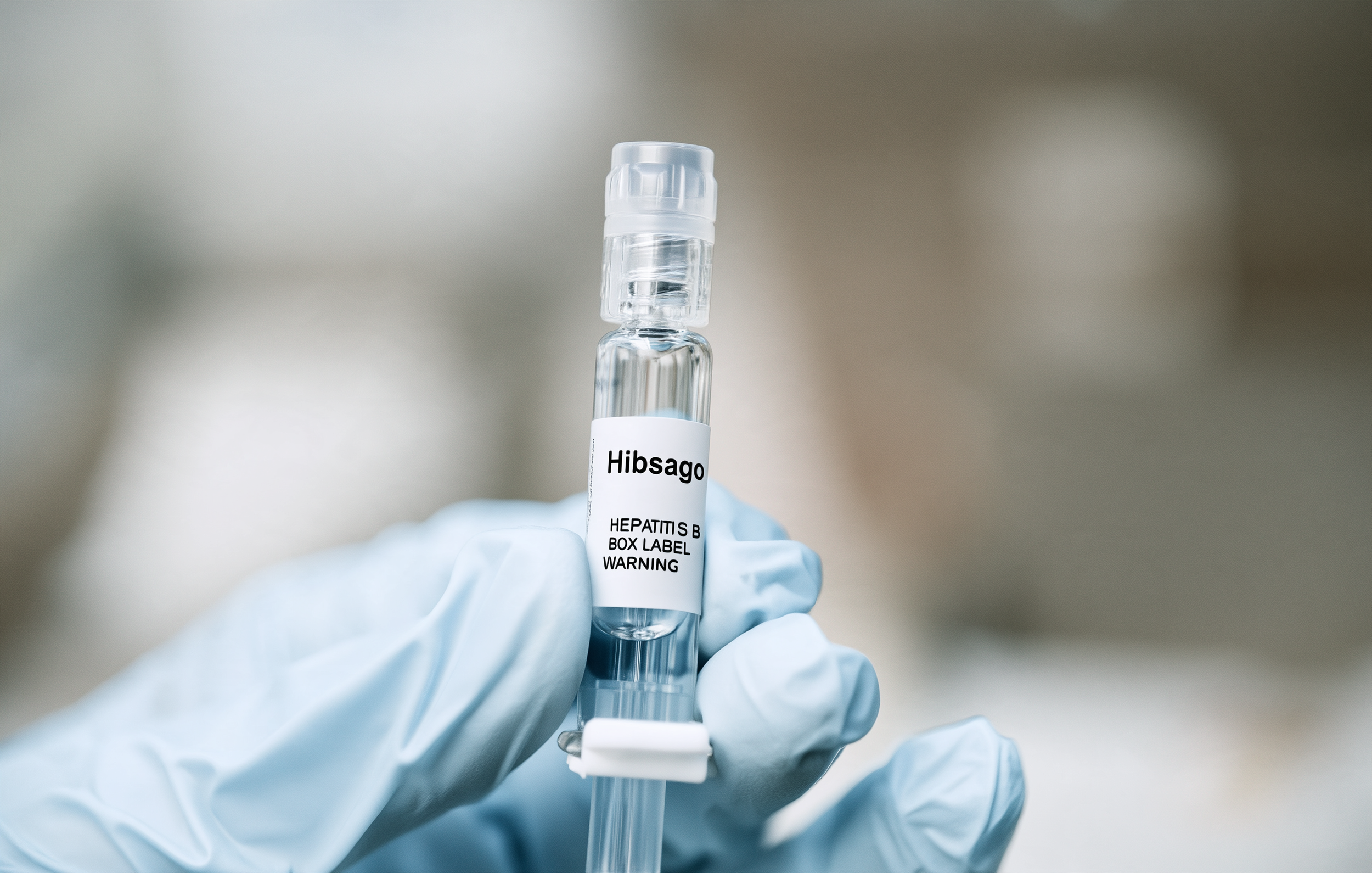
FDA Approves Hibsago, a First-of-Its-Kind Hepatitis B Drug That Lets Some Patients Stop Treatment
The FDA has approved Hibsago (bepirovirsen), GSK's injectable antisense drug for chronic hepatitis B. In two phase 3 trials, about 19% of patients achieved a functional cure and could stop all treatment. The drug carries a boxed warning for liver reactions and low platelets.

FDA Grants Accelerated Approval to Dostarlimab for dMMR Rectal Cancer, Opening a Path Around Surgery
The FDA has cleared GSK's immunotherapy Jemperli for a small, genetically defined group of patients with locally advanced rectal cancer. In trials, many avoided surgery, radiation and chemotherapy entirely, but the evidence comes from single-arm studies and longer follow-up is still required.